There may be times when a family changes in dynamics or seems to be stuck in a pattern of reacting to one another that is counterproductive. Sometimes children can present with issues that are found to have their roots in family issues, or a family may be affected by a child’s illness or disability, here a combination of individual and family therapy may be useful.
-
Children are similar to adults in that they experience stress, frustration, and disappointment. Recent studies suggest that parents underestimate the amount of stress in their children’s lives (APA Stress Survey: Children are more stressed than parents realize). The thoughts and feelings associated with life challenges may lead child to display social, emotional, behavioral problems. Some warning signs that your child may be having problems include: a drop in grades, school conduct referrals, social, withdrawal, moodiness, unrealistic worry and engagement in high risk behaviors such as alcohol with drug use. Parents who want to discover why their child acts out can seek answers from a caring child therapist at our practice. We provide an understanding and supportive environment that enables a child to speak freely about his or her fears, feelings, and emotions and help you to discover the root causes of social, emotional, and behavioral problems and replace them with positive coping skills.
The Center for Psychological Growth and Wellness features Florida licensed psychologists who specializes in family and child therapy. We seek to build a relationship with each child and gain insight into why they think and behave the way they do. In this process, we discover how we can help the client (child and parents) understand the root cause of the negative behavior and how to make behavior changes that will improve family communication and household balance. Children may act out because they are seeking attention, control, independence and approval. Stressors, such as changes in family dynamics, grief and trauma can erode a person’s coping mechanisms and highlight the need for help.
-
There may be times when a family changes in dynamics or seems to be stuck in a pattern of reacting to one another that is counterproductive. Sometimes children can present with issues that are found to have their roots in family issues, or a family may be affected by a child’s illness or disability, here a combination of individual and family therapy may be useful.
All families have strengths that they can use to overcome their areas of difficulty. The goal of family therapy is to direct the family to finding their own solutions. During the sessions, family members reveal their methods of interaction with one another. This provides rich opportunity to give and receive feedback in a safe and supportive atmosphere. Family members learn new communication skills and identify patterns in former communication styles that served as triggers to escalate family difficulties Family Therapist Plantation.
-
Dr. Oren Shibi is a Licensed Psychologist with over six years of counseling, psychotherapy, and assessment experience. He received his Psy.D. in Clinical Psychology from Nova Southeastern University, an American Psychological Association Accredited Program. Dr. Shibi has extensive training and clinical work experiences in individual, group, and family therapy as well as psychological assessment. Dr. Shibi is currently working as a University Psychologist at Florida International University’s Counseling and Psychological Services Center where he provides individual and group psychotherapy to students as well as assessments of learning disabilities and attention deficit hyperactivity disorder (ADHD). He trained under distinguished psychologists at the following sites: the neuropsychology services center, Veteran Affairs Medical Center, Miami, FL; Adult Services Program, Psychology Services Center (PSC), Nova Southeastern University (NSU); Ruth Rales Jewish Family Service (a community mental health center); and the Trauma Resolution and Integration Program (TRIP).
-
Lisa Saponaro is licensed by the state of Florida as a clinical psychologist (PY7494). She provides individual, couples and family psychotherapy as well as psychological testing in her private practice. She has worked in private practice since 2004 and maintains her own practice in her hometown of Plantation, Florida.
Dr. Saponaro has worked in the field of mental health for more than a decade and holds a doctorate degree in Counseling Psychology from the University of Memphis and a Master’s Degree in Mental Health Counseling from Nova Southeastern University. In addition to her work in private practice, she serves as an adjunct faculty member at Nova Southeastern University teaching master’s students in the mental health field. She also runs the guidance program at St. Bernadette Catholic School, consults with local school and community mental health agencies, and provides psychological testing and counseling services to several government organizations.
-

Quiana Gentle-Carmona, Psy.D. is a Post-Doctoral Psychology Resident. She earned her masters and doctorate in Clinical Psychology from Carlos Albizu University San Juan Campus in Puerto Rico, an American Psychological Association (APA) accredited program. She received specialized training to provide individual, group, couples and family therapy for diverse clients of all ages socioeconomic status and cultural backgrounds. As well as psychological testing for diverse referral motives. She is fully bilingual in Spanish and English. Prior to graduate studies, she earned her bachelor’s degree in Science with a concentration in Psychology from The Pontifical Catholic University of Puerto Rico. Most recently, Dr. Gentle-Carmona completed her APA-accredited internship at the Miami-Dade County Community Action and Human Services Department (CAHSD) Psychological Services where she provided services in two rotations, Head Start and Violence Prevention and Intervention Division at the Coordinated Victims Assistance Center (CVAC).
-
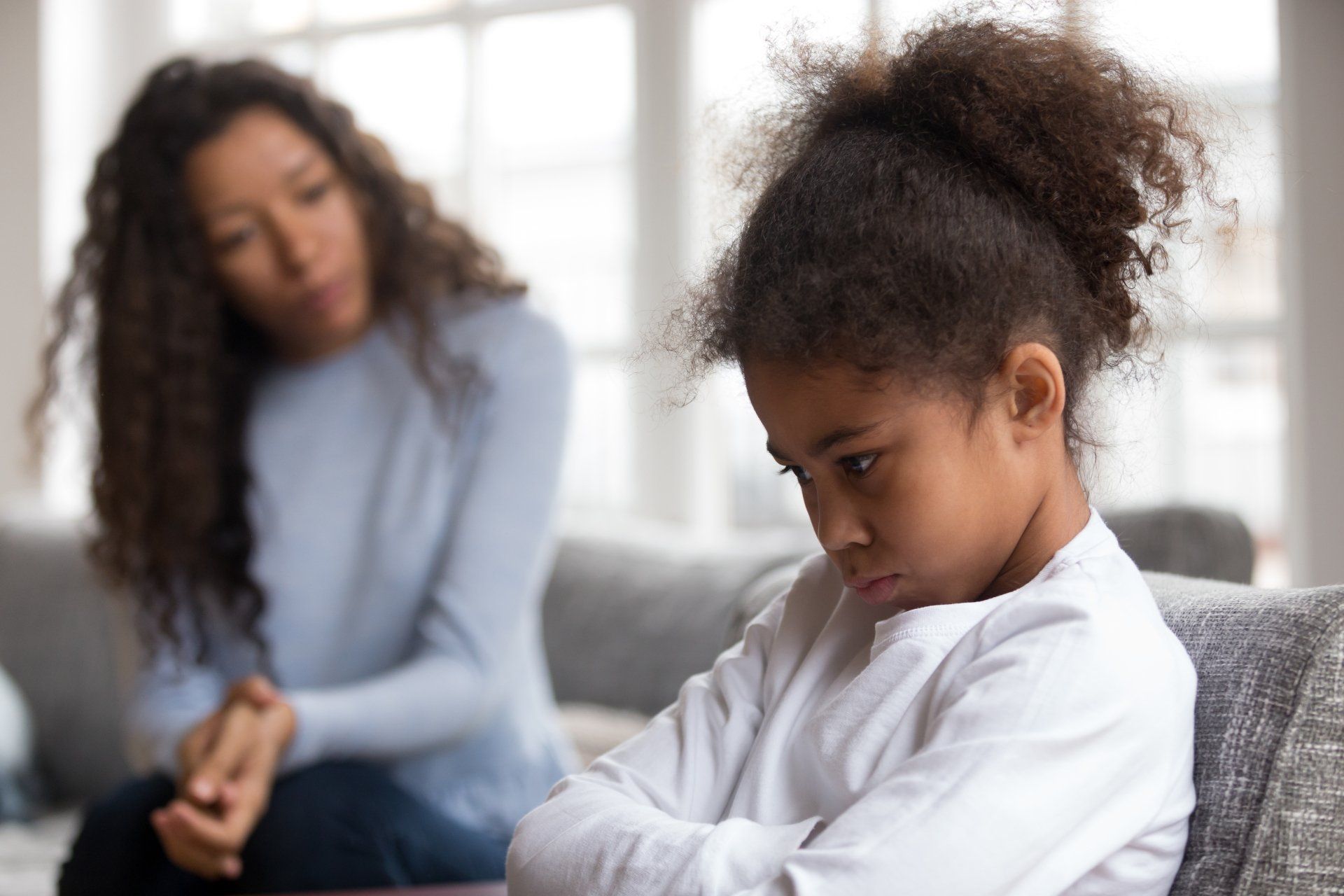
Children are similar to adults in that they experience stress, frustration, and disappointment. Recent studies suggest that parents underestimate the amount of stress in their children’s lives (APA Stress Survey: Children are more stressed than parents realize). The thoughts and feelings associated with life challenges may lead child to display social, emotional, behavioral problems. Some warning signs that your child may be having problems include: a drop in grades, school conduct referrals, social, withdrawal, moodiness, unrealistic worry and engagement in high risk behaviors such as alcohol with drug use. Parents who want to discover why their child acts out can seek answers from a caring child therapist at our practice. We provide an understanding and supportive environment that enables a child to speak freely about his or her fears, feelings, and emotions and help you to discover the root causes of social, emotional, and behavioral problems and replace them with positive coping skills.
The Center for Psychological Growth and Wellness features Florida licensed psychologists who specializes in family and child therapy. We seek to build a relationship with each child and gain insight into why they think and behave the way they do. In this process, we discover how we can help the client (child and parents) understand the root cause of the negative behavior and how to make behavior changes that will improve family communication and household balance. Children may act out because they are seeking attention, control, independence and approval. Stressors, such as changes in family dynamics, grief and trauma can erode a person’s coping mechanisms and highlight the need for help.
-
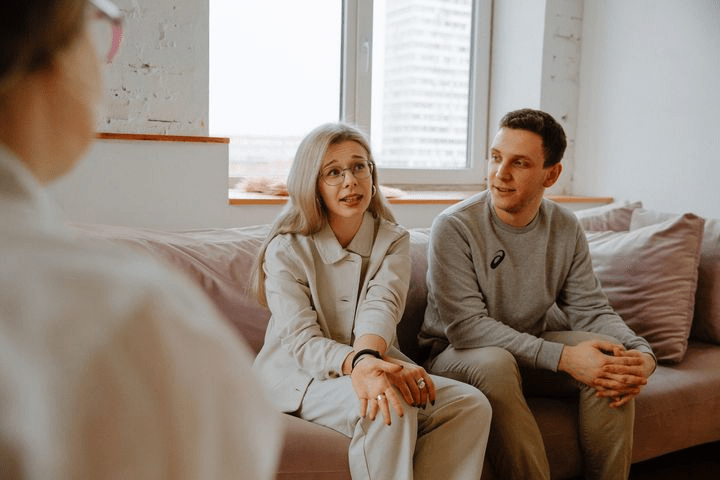
Maintaining a healthy and long lasting relationship requires work and effort in the form of compromise for both parties involved. The goal of couples counseling is to help couples understand and resolve their conflicts and improve their relationships. Couples therapy may be sought during any phase of the relationship from pre-marital to dissolution. During sessions, the couple is provided with tools to communicate and problem solve more effectively. Efforts are made to restore trust, rebuild respect and appreciation, and recover intimacy for one another while helping each partner get their needs met. In the case of divorce counseling, couples are directed towards a peaceful and respectful separation. When children are involved, their needs are considered and foremost.
-
Psychological Testing is an evaluation that may be useful to clarify or provide additional information to diagnoses. Psychological Testing may be sought for a number of reasons.
Testing services include:
- Giftedness / IQ / Cognitive Ability
- Psychoeducational Testing
- Attention-Deficit Disorder / ADHD
- Pervasive Development Disorders / Autism Spectrum
- Social & Emotional Well-being
- Personality Testing
- Ability to Parent
- Career Readiness/Fit
Giftedness testing, or IQ testing, consists of a test of cognitive ability such as the Wechsler Intelligence Scale for Children, Fourth Edition (WISC-IV) or the Standford Binet Intelligence Test, Fifth Edition (SB-5). This type of testing may be used to determine if your child is eligible to receive advanced or gifted programing. Tests of cognitive ability reveal an individual’s specific learning strengths and weaknesses, which may be useful in creating a learning program psychologist plantation fl.
Psychoeducational testing is often recommended when a child is struggling to keep up with academic demands, has been retained, or appears to have unusual difficulty with a specific subject. Psychoeducational testing is used to diagnose learning disabilities and provide recommendations for educational planning and special testing accommodations. Psychoeducational testing generally consists of a test of cognitive ability, an achievement test, and an evaluation of emotional and behavioral functioning.
-
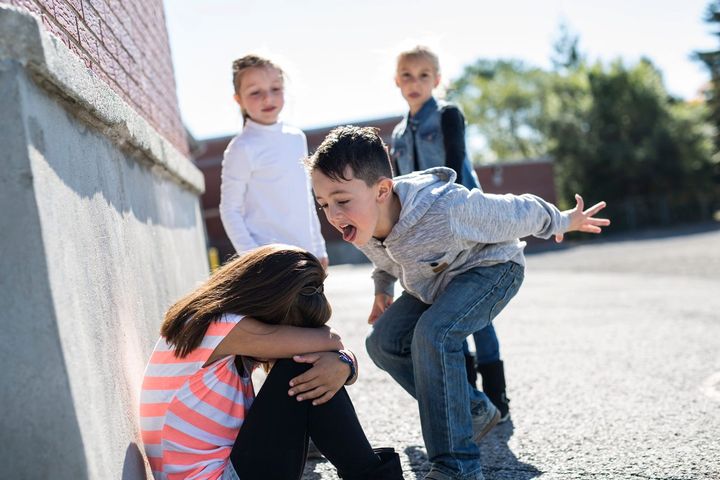
The first day of school always comes with an overwhelming number of different emotions. Students can feel happy, excited, anxious, nervous, stressed, sad, and even scared. Here are some risk factors to look out for in your child or teen child therapy plantation:
  Not wanting to go to school
  Physical complaints (stomach hurting, headache, nausea, vomiting)
  Frequent nurse visits
  Not turning in assignments
  Declining grades
  Avoiding social groups
  Skipping classes or school
  Complaints of bullying
  Sleep or eating changes
  Mood swings
  Disinterest in favorite activities
  Panic or anxiety attacks
  Self-harm
As parents how can we help our children and teens cope and make sure they have a successful academic year? Below we have some tips for you!
- Organize, organize, organize!
Children thrive on structure and organization. Create a visual schedule for them to follow. Include important due dates, school events, and when extracurricular activities will occur. Allow them to add what is important! Giving them an idea of what to expect during the school year may not give anxiety a chance to grow.
 Site Title